

Coconut Oil Benefits for Health, Skin and Hair
Coconut oil benefits have made this traditional oil a fixture in kitchens and self-care routines across India for generations. Extracted from the dried kernel of the coconut, it has a distinctive fatty acid profile, a pleasant aroma and a long record of use in cooking, skin care and hair care. In coastal states such as Kerala and Tamil Nadu, it is part of daily cooking and is also used for hair oiling and body massage. Its fat is made up largely of saturated medium-chain fatty acids, which is why the oil turns solid in cooler weather and melts again in warmth.
How Cold Pressing Preserves the Natural Qualities of Coconut
Cold pressing extracts oil from coconut kernels through mechanical pressure at low temperatures. Because the kernel stays cool during pressing, the oil retains its natural aroma, its pale colour, and its original mix of compounds. This is why cold-pressed coconut oil benefits are closely tied to how little the oil is processed.
Cold-pressed coconut oil is often sold as virgin coconut oil, and both terms point to an unrefined oil that is pressed, filtered and bottled. The virgin coconut oil benefits that cooks value most are a fresh coconut taste and a clean flavour in everyday dishes. Organic coconut oil adds a further layer of care, since the coconuts come from farms that follow organic practices. The same clean flavour explains the many cold-pressed coconut oil uses in everyday kitchens, from curries to sweets.
What the Oil Is Made Of
Coconut oil is a plant oil made almost entirely of fat, and its fatty acid profile sets it apart from most other cooking oils. Lauric acid is the leading component, at about 42 grams per 100 grams of oil. Lauric acid in coconut oil is accompanied by other medium-chain fatty acids, such as caprylic and capric acid.
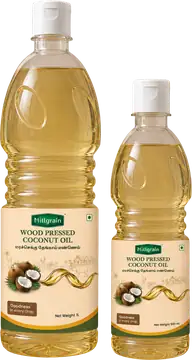
Medium-chain fatty acids travel quickly to the liver, where they serve as a ready source of energy. Being a plant oil, coconut oil naturally contains 0 mg of cholesterol. Researchers continue to study how lauric acid behaves in the body, so moderate quantities within a balanced diet remain the sensible way to enjoy coconut oil benefits. Small servings in everyday dishes are easy to manage, and coconut oil for cooking fits easily into tempering and baking.
Everyday Health Benefits of Coconut Oil
Coconut oil benefits for general health are linked mainly to its medium-chain fatty acids, which the body can use as energy soon after a meal. These fats make up a good share of the oil, and the body absorbs them differently from the long-chain fats found in most other cooking oils.
Oral care is another area of interest. Oil pulling, a traditional Ayurvedic practice, involves swishing a spoonful of oil in the mouth for several minutes. Coconut oil is a popular choice because of its mild taste, and lauric acid is associated with antimicrobial activity. Oil pulling works as a complement to regular brushing.
Coconut oil benefits for heart health deserve a balanced view. A systematic review of coconut oil and cardiovascular health found that HDL cholesterol, often called good cholesterol, rose with coconut oil intake. LDL cholesterol, the other main type, was lower than with animal fats and higher than with other plant oils. Given this mixed picture, a sensible approach is to use moderate quantities as part of a varied diet that also includes other cold-pressed oils.
How Coconut Oil Cares for Skin and Hair
Cold-pressed coconut oil benefits for skin begin with moisture. The oil forms a light layer on the surface that helps skin retain water. It suits dry areas such as elbows and heels, especially after a bath.
Coconut oil for skin and hair has a long tradition in Indian households. The oil can enter the hair shaft, and studies on hair care suggest that applying it before washing reduces protein loss in the strands. These coconut oil benefits for hair come with regular oiling, which also leaves strands smoother and easier to comb. A gentle scalp massage with lightly warmed oil adds moisture to a dry scalp.
Gingelly oil is another traditional choice in South Indian homes, where gingelly oil benefits for skin and hair are widely appreciated. People with scalp conditions should consult a dermatologist before adding new oils to their routine.
Cold Pressed and Refined Coconut Oil Side by Side
The question of cold-pressed vs refined oil applies to coconut oil as well. Both types come from the same fruit yet differ in processing and in the way they behave in the kitchen.
| Feature | Cold Pressed Coconut Oil | Refined Coconut Oil |
|---|---|---|
| Processing | Pressed at low temperatures and filtered | Processed further to create a neutral oil |
| Aroma and taste | Distinct, fresh coconut character | Mild and neutral |
| Smoke point | About 177°C (350°F) | About 204 to 232°C (400 to 450°F) |
| Suited for | Tempering, sautéing, baking, skin and hair care | Deep frying and high-heat cooking |
Cold-pressed coconut oil benefits are most visible in medium-heat cooking and personal care, where its aroma and unrefined character are valued. The choice between cold-pressed coconut oil vs refined coconut oil depends on the dish and the result a cook wants.
Bringing the Oil into Daily Cooking
Coconut oil for cooking has a natural place in Indian kitchens, particularly in southern India. It is traditionally used for tempering mustard seeds and curry leaves, preparing thoran, avial and fish curry, making coconut chutney and frying banana chips.
Because cold-pressed coconut oil has a smoke point near 177°C, the temperature at which it begins to smoke, it suits sautéing, tempering, and shallow cooking at medium heat. A small quantity is usually enough for tempering, since coconut oil benefits in the kitchen show up mostly as flavour that carries into the dish. Many households use wood-pressed groundnut oil for everyday frying and reserve coconut oil for dishes that suit its aroma.
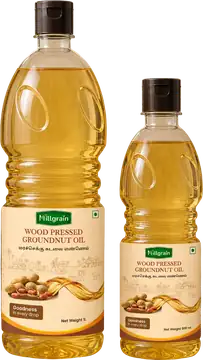
Pairing with Other Cold Pressed Oils
Different dishes call for different oils, so many households keep a small set of cold-pressed oils in the kitchen. Coconut oil suits tempering and southern recipes. Gingelly oil brings a nutty depth to chutney powders, pickles and festive dishes, and groundnut oil serves as a dependable all-round cooking oil.
Rotating these oils across meals adds variety to the types of fat in the diet and keeps flavours interesting. Used together, these oils combine the advantages of coconut oil with the strengths of each companion oil.
Choosing and Storing the Oil
A good label lists a single ingredient, which is coconut, and states that the oil is cold-pressed. The oil should carry a fresh coconut aroma and look clear when liquid.
Coconut oil turns solid in cooler weather and melts again as the room warms, which reflects the natural behaviour of its fats. Storing the oil in a closed container in a cool, dark place away from direct sunlight keeps it fresh for longer. A clean, dry spoon keeps moisture out of the jar, and coconut oil benefits last longest when the lid is closed after each use. The same label checks apply to other cold-pressed oils such as gingelly and groundnut oil, so comparing different oils is straightforward.
Making Coconut Oil a Part of Your Routine
Pure Organic foods rely on simple, minimally processed ingredients, and cold-pressed coconut oil has long had a place both in the kitchen and in self-care. The same oil can serve morning tempering and an evening scalp massage. Coconut oil benefits are easiest to enjoy with small servings, with cold-pressed oils rotated across meals. Starting with a teaspoon in daily cooking and storing the oil with care makes the habit simple to maintain.
Frequently asked questions
Is it safe to use coconut oil every day?
Coconut oil can be included in daily cooking in small quantities as part of a varied diet. People with cholesterol concerns or other health conditions should ask a doctor or dietitian about the right amount.
How does cold-pressed coconut oil differ from refined coconut oil?
Cold-pressed coconut oil is extracted at low temperatures and keeps its coconut aroma, while refined oil is processed further for a neutral taste. Cold-pressed oil begins to smoke near 177°C, and refined oil is better suited to higher heat.
Can cold-pressed coconut oil be used for cooking?
Yes, cold-pressed coconut oil suits tempering, sautéing and shallow frying at medium heat. Its aroma pairs especially well with South Indian dishes.
Is coconut oil good for both skin and hair?
Coconut oil moisturises dry skin and helps reduce protein loss in hair when applied before washing. A patch test on a small area confirms comfort before regular use.
How should cold-pressed coconut oil be stored?
Store the oil in a closed container in a cool, dark place away from direct sunlight. The oil may turn solid in cool weather and return to liquid form at room temperature.